
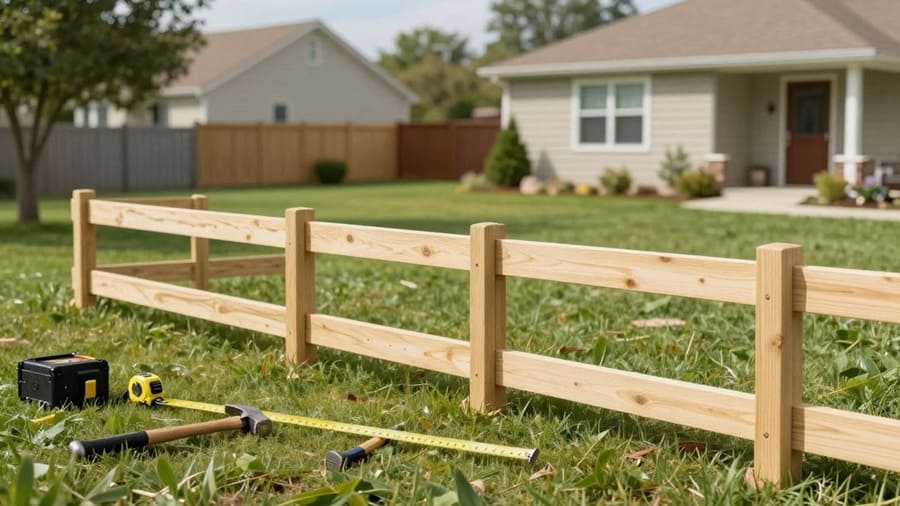
So, you’re thinking about putting up a fence in Georgia? It’s a great way to add privacy and define your yard. But before you start digging, you might be wondering, ‘Do I need a permit to build a fence in Georgia?’ It’s a common question, and the answer isn’t always a simple yes or no. It really depends on where you are and what kind of fence you’re planning. Let’s break down what you need to know to avoid any headaches down the road.
Free Online Tools:
https://www.georgiafencerules.com/
Georgia Fence Rules is a free online tool that helps Georgia homeowners quickly understand the fence rules that may apply to their property. Instead of digging through city and county ordinances, users can enter their address and see relevant fence information, including permit requirements, height limits, setback rules, material restrictions, pool fence requirements, historic district concerns, and links to official sources. The site covers all 159 Georgia counties and 460+ local jurisdictions, making it a helpful starting point before building, replacing, or modifying a fence. offers a free tool that allows you to type in your property address and get some of the local fence rules.
Because fence rules can vary by city, county, zoning district, HOA, easement, and property-specific conditions, homeowners should still verify final requirements with their local permitting office before starting construction.
Key Takeaways
- Most of the time, whether you need a permit for a fence in Georgia comes down to local rules, not state ones. Your city or county is the main place to check.
- Standard fences, especially those under a certain height (often 6 feet in backyards), might not need a permit. But taller fences or those in specific areas could.
- Homeowners Associations (HOAs) often have their own strict rules about fences, sometimes more so than city or county regulations. Always check with your HOA first.
- Special fences, like pool enclosures or those with access control systems, usually have more requirements and are more likely to need a permit due to safety concerns.
- Ignoring permit rules can lead to fines, having to take the fence down, or even issues when you try to sell your home. It’s best to find out the requirements beforehand.
Understanding Georgia Fence Permit Requirements
So, you’re thinking about putting up a fence in Georgia? It’s a great way to add privacy and security to your home, but before you start digging, there’s a bit of paperwork to consider. Most of the time, a simple backyard fence won’t require a full building permit, but that’s not the whole story. The rules can get a little tricky depending on where you live and what kind of fence you’re planning.
If you’re considering durable and secure options, FenceWorks of Georgia specializes in steel fencing that meets local requirements.
When a Fence Permit Is Typically Required
Generally, you’ll need to look into getting a permit if your fence is going to be taller than the standard height limit, which is often around 6 feet in many areas. Also, if you’re planning on installing any kind of access control system, like an automatic gate, or if you’re in a historic district, expect to need official approval. Pool fences have their own set of strict rules too, usually involving minimum heights and safety features to prevent accidental falls. It’s always better to check first than to deal with problems later.
When a Fence Permit Is Usually Not Needed
For many homeowners, a standard fence that stays within the typical height limits (usually 4 to 6 feet) and uses common materials won’t require a government-issued permit. If you’re just replacing a few damaged pickets or boards on an existing fence, that’s usually fine too. Temporary fences, like those used for construction sites, are also typically exempt. Think of it this way: if it’s a basic barrier that doesn’t significantly alter your property’s structure or safety profile, you might be in the clear.
Factors Influencing Permit Necessity
Several things can sway whether you need a permit or not. The most common factors are:
- Fence Height: Taller fences almost always require more scrutiny.
- Location on Property: Front yard fences often have different rules than backyard fences, especially concerning visibility.
- Material: While less common, some unique or non-standard materials might trigger a review.
- Proximity to Property Lines/Easements: Setbacks are important, and fences too close to boundaries can cause issues.
- Special Districts: Historic districts or areas with specific aesthetic guidelines will have their own requirements.
It’s important to remember that even if a state permit isn’t needed, your local city, county, or even your Homeowners Association (HOA) will likely have its own set of rules and regulations that you must follow. Ignoring these can lead to headaches down the road.
Companies like FenceWorks of Georgia often help homeowners understand these local nuances and can guide them through the process, making sure everything is installed correctly and in compliance with all applicable rules.
Specific Fence Types and Their Permit Implications
So, you’re thinking about building a fence. Great! But not all fences are created equal when it comes to permits. Some types of fences or specific features can definitely trigger the need for extra paperwork. It’s not just about keeping the dog in; sometimes, it’s about safety and local rules.
Pool Fence Requirements in Georgia
If you have a pool, or are planning to install one, you’re going to want to pay close attention here. Georgia has pretty strict rules for pool fences, and for good reason – safety first, right? Most cities and counties will require a permit for a pool fence. These aren’t just any old fences; they’re designed to prevent accidental drownings. Expect requirements for a minimum height, usually around 4 feet, and features that make it hard for little ones to climb over, like specific spacing between pickets or slats. You might also need to consider self-closing and self-latching gates. It’s all about making sure that pool is secure when it’s not in use.
Access Control Systems and Gates
Adding electronic gates or access control systems to your fence? That can complicate things. Think of it this way: you’re moving beyond a simple barrier and into something that affects safety and how people get in and out. Local authorities often want to review these systems. They’ll want to make sure the gates don’t block emergency vehicles and that the electronic components meet safety standards. Sometimes, this means getting approval from the fire marshal or ensuring the installation is done by licensed professionals. It’s a bit more involved than just putting up a standard gate.
Temporary and Interior Fencing
What about those temporary fences, like the ones you see around construction sites? Generally, these don’t require a permit. They’re meant to be up for a short time and then taken down. The same goes for fences inside your house, like if you’re dividing up a room. However, if you’re talking about interior fencing in a commercial building that might affect fire exits or the layout of the space, you could be looking at permit requirements. It really depends on whether the interior fence impacts safety regulations or building plans.
Here’s a quick rundown of what might need a permit:
- Pool Fences: Almost always require a permit due to safety regulations.
- Fences Taller Than Standard Limits: If your fence exceeds the typical height restrictions (often 6 feet in back/side yards), you’ll likely need a permit and possibly a variance.
- Fences with Electronic Access Control: Gates with keypads, remote openers, or other electronic systems often need special review and permits.
- Fences in Historic Districts: Even standard fences might need special approval or permits if your property is in a designated historic area.
It’s always better to check with your local building department before you start digging. What seems like a simple fence project can turn into a headache if you skip the permit process. They can tell you exactly what’s needed for your specific situation and location. Read about How to Prepare Your Property for Fence Installation.
Key Considerations for Fence Installation
Fence Height Limitations
When you’re planning out your new fence, one of the first things you’ll want to check is how tall it’s allowed to be. This isn’t just about personal preference; local governments and even HOAs have specific rules about fence heights. For instance, in some parts of Georgia, front yard fences might be limited to around 4 feet, while backyard fences could go up to 6 feet. It really depends on where you live.
- Front Yard Fences: Often have stricter height limits for visibility reasons.
- Backyard Fences: Usually allowed to be taller.
- Corner Lots: May have even lower height restrictions on sides facing streets.
Ignoring these limits can lead to problems down the road, so it’s worth finding out the exact rules for your property before you start digging.
Material and Aesthetic Guidelines
Beyond just height, the materials you choose and the overall look of your fence can also be subject to regulations. Some neighborhoods, especially those with a Homeowners Association (HOA), have a list of approved materials and colors. This is often done to maintain a certain look and feel within the community. For example, you might find that certain types of fencing, like chain-link, are not allowed in residential areas, or that you have to stick to specific wood stains or vinyl colors. It’s all about keeping the neighborhood looking consistent.
Corner Lot and Visibility Concerns
If your house sits on a corner lot, you’ve got a bit of extra homework to do. These lots have specific rules, particularly around intersections. The main goal here is safety – ensuring drivers and pedestrians have a clear line of sight. This often means that fences on the sides of your property facing the street will need to be shorter than those in the back. You might also have specific setback requirements, meaning the fence can’t be placed right up to the property line or sidewalk. Always check with your local planning department about corner lot regulations.
Special attention is often paid to corner lots due to traffic safety. Local ordinances are designed to prevent obstructions that could lead to accidents, so be prepared for potentially stricter rules on fence height and placement along street-facing boundaries.
Consequences of Non-Compliance
So, you’ve decided to skip the permit process for your new fence. It might seem like a good way to save time and maybe a few bucks, but let me tell you, it can really come back to bite you. Ignoring local rules and regulations isn’t just a minor oversight; it can lead to some pretty serious headaches down the road.
Potential Fines and Stop-Work Orders
One of the most immediate consequences of building a fence without the proper permits is the possibility of receiving a stop-work order. This means you’ll have to halt all construction immediately. On top of that, you could be looking at hefty fines. These aren’t usually small amounts, either. The exact cost can vary a lot depending on where you are in Georgia, but it’s often calculated based on the value of the work done or a daily penalty until the issue is resolved. It’s a real bummer to have your project halted and your wallet lightened.
Mandatory Fence Removal
In some cases, especially if your fence significantly violates zoning laws or safety codes, authorities might require you to remove it entirely. Imagine building a beautiful new fence, only to be told you have to tear it down. This is a worst-case scenario, but it happens. This could be the outcome if your fence is too tall, too close to the property line, or poses a safety hazard, like blocking visibility on a corner lot. It’s a tough pill to swallow after investing time and money.
Impact on Property Value and Resale
Even if you manage to avoid immediate penalties, an unpermitted fence can cause problems later. When you decide to sell your home, unpermitted structures can be a red flag for potential buyers and their inspectors. It can lead to delays in closing, require you to get permits retroactively (which can be complicated and expensive), or even cause a sale to fall through. A fence that doesn’t meet local codes can make your property less attractive and potentially lower its market value. It’s just another thing that adds stress to an already complex process. If you’re looking at durable and stylish fencing, companies like FenceWorks of Georgia can help ensure your project meets all requirements from the start.
Building without a permit isn’t just about breaking a rule; it’s about potentially creating a safety issue or a legal problem that affects your property and your neighbors. It’s always better to check the requirements first, even if it feels like a hassle. Getting the right approvals upfront saves a lot of potential trouble later on.
Simplifying the Permitting Process
So, you’ve figured out you probably need a permit for that fence. Now what? It can feel like a big hurdle, but it doesn’t have to be a total headache. There are ways to make this whole permit thing much smoother.
How Fence Companies Can Assist
Honestly, dealing with local governments and their paperwork isn’t everyone’s idea of a fun afternoon. That’s where fence companies really shine. Many experienced fence installers know the local rules inside and out. They’ve been through this process countless times. They can often tell you right away if you need a permit, what kind, and what the typical requirements are for your specific area.
Gathering Necessary Documentation
Before you even talk to a permit office or a fence company, it’s smart to have a few things ready. You’ll likely need a copy of your property survey or plat map. This shows the exact boundaries of your land. You might also need a detailed drawing or plan of the fence you want to build, including its height, materials, and where it will be placed on your property. If you’re in a neighborhood with a Homeowners Association (HOA), make sure you have a copy of their specific rules regarding fences. Having these documents organized beforehand will make the application process much quicker.
Understanding Electronic vs. In-Person Submissions
How you submit your permit application can vary. Many cities and counties in Georgia have moved towards online systems. You might be able to fill out and submit everything through a government website, sometimes called a citizen portal. This is often the quickest way to get your application in. However, some places might still require you to submit applications in person, especially for certain types of permits or if you’re dealing with specific departments. It’s always best to check with your local building department or planning office to see what their preferred method is. They can tell you if you need to go online, visit an office, or if they accept both. Knowing this upfront can save you a trip or a frustrating online search.
Don’t assume the rules are the same everywhere. Even neighboring towns can have different requirements for fence permits. Always confirm with your local city or county building department before you start digging.
Getting a fence can feel complicated, but we make it easy! We handle all the tricky paperwork so you don’t have to. Ready to get started with your new fence? Visit our website today to learn more and get a free quote!
So, Do You Need a Permit?
Alright, so wrapping things up, figuring out if you need a permit for a fence in Georgia can feel a bit like a treasure hunt. It really boils down to where you are and what you’re building. Most of the time, a basic backyard fence that’s not too tall probably won’t need a permit from the state. But, and this is a big ‘but,’ your city, your county, or even your Homeowners Association might have their own set of rules. These local guidelines often dictate things like fence height, materials, and where you can put it. It’s always, always best to check with your local government office and your HOA before you start digging. Getting it wrong could mean tearing it down or paying fines, and nobody wants that hassle. So, a quick call or a look at your local city’s website can save you a lot of headaches down the road.
Frequently Asked Questions
Do I always need a permit to build a fence in Georgia?
Not always! While Georgia doesn’t have a single state rule for all fences, many cities and counties do have their own rules. Usually, if your fence is a standard height (like 6 feet or less) and in your backyard, you might not need a permit. But if you’re building a really tall fence, one in the front yard, or a special type like a pool fence, you’ll probably need to get permission first.
How do I find out the specific rules for my area?
The best way to find out is to check with your local city or county government’s planning or zoning department. You can usually find this information on their website or by giving them a call. A good starting point would be to visit GeorgiaFenceRules.com. If you live in a neighborhood with a Homeowners Association (HOA), you’ll also need to check their rules, as they often have their own requirements for fences.
Are there different rules for different types of fences?
Yes, definitely! For example, fences around swimming pools often have stricter rules, like a minimum height and features to prevent climbing, because safety is a big concern. Also, fences with gates that control access, especially electronic ones, might need special permits because they involve more than just a barrier.
What happens if I build a fence without the required permit?
If you build a fence without getting the necessary permits or following the rules, you could face some problems. This might include getting fined, being told to stop building, or even having to take the fence down completely. It can also make it harder to sell your house later on.
Can a fence company help me with the permit process?
Many fence companies can be a great help! They often know the local rules and can guide you on what you need.
Are there limits on how tall my fence can be?
Yes, most places in Georgia have limits on fence height. For instance, a common rule is that fences in the backyard can be up to 6 feet tall, but fences in the front yard usually have to be shorter, often around 4 feet. Some places also have rules about how much of the fence needs to be open, like with certain decorative styles.