
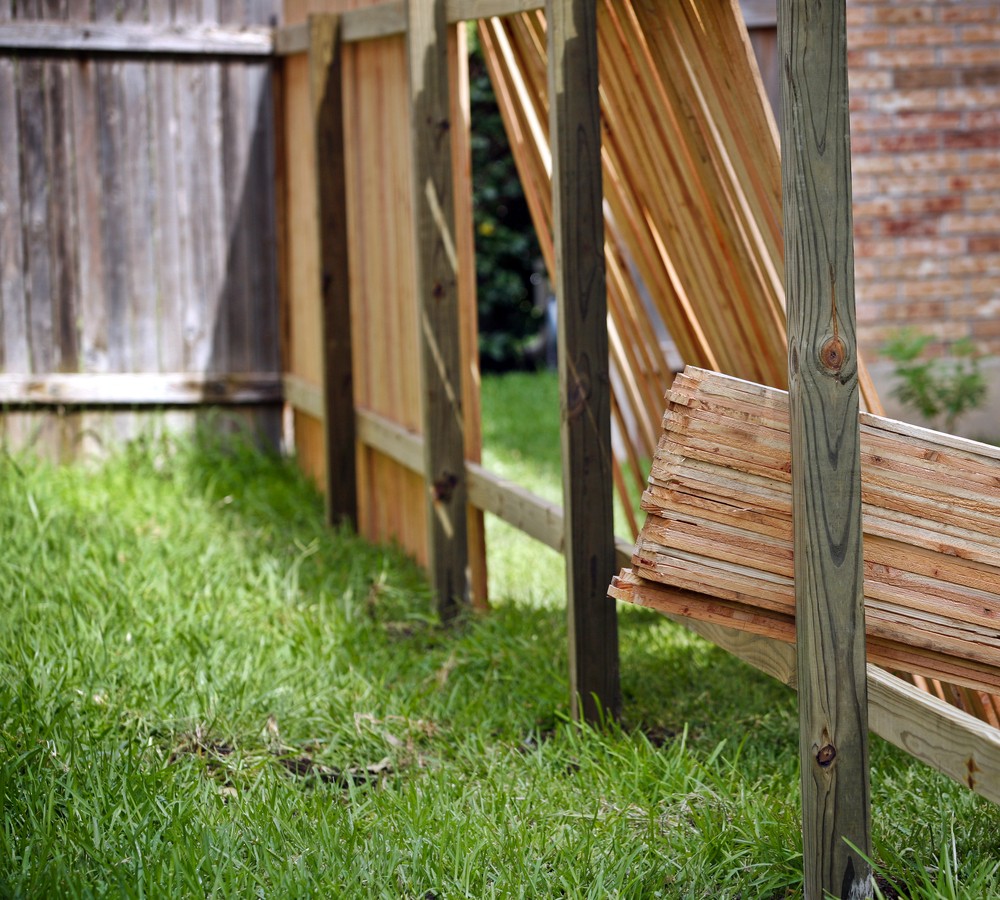
Sometimes there is a need to extend an existing fence, either to make it longer or to make it higher. We will help you understand how to extend a fence, whether you’re looking to add length or increase its height for privacy or other reasons.
Adding length to a fence is relatively easy because all you need to do is follow the existing design and style using the same materials. However, extending the height of an existing fence is a little more difficult. There is not one single solution but rather possibilities depending on the type of fence you have installed. 
Also, it is easier to increase the height of some types of fences than others.
The reason you want to extend the fence will also be a factor. For instance, you might need the fence to be higher to prevent dogs from jumping over them, or you might want to extend fence height for privacy.
But before you even start, make sure you know what you can legally do in terms of local authority requirements or those laid down by a homeowners’ association.
Generally, there are height restrictions, and if you want to extend your fence to make it higher than the standard allowable height, you will need permission, if not a permit or plans. In housing developments, there may also be restrictions that relate to style. For instance, you may not be allowed to simply attach additional boards or lattice to the top of an existing fence.
Whatever you decide to do, the most important issue is to ensure that the extension looks as if it belongs where it is. It shouldn’t look like a fence that has been extended. At the same time, you are aiming to extend your existing fence and not redo it completely.
When considering wooden fence extensions, you might be able to add additional panels, boards, or slats. If you can, the challenge will be to add height to existing poles or posts. You may be able to bolt new post or pole sections to those already in the ground or screw metal tie plates to the existing posts. Alternatively, you can sink new uprights that are longer than those already in place, effectively learning how to extend a wooden fence post.
How to Extend a Wood Fence
When extending an existing wood fence you might be able to add additional panels, boards, or slats. If you can, the challenge will be to add height to existing poles or posts. You may be able to bolt new post or pole sections to those already in the ground or screw metal tie plates to the existing posts. Alternatively, you can sink new uprights that are longer than those already in place.
Another popular solution for extending existing wood fences upwards is to add trellis or lattice to the top of the fence. Or you could sink bamboo poles into the ground right next to the existing fence and use trellis wire for climbing or creeping plants. Of course, the bamboo needs to extend above the fence to give you the height you require.
How to Extend a Chain Link Fence
Chain link fencing is attached to vertical poles and horizontal rails. You may be able to attach additional chain link to the top of the fence, or you could use mesh or chicken wire if allowed. While baling wire can be used to attach the old and new fence sections together, you might need additional supporting poles as well. This is a key consideration when learning how to extend a post for a chain link fence.
An option would be to install T-posts along the existing chain link fence and use these to secure the new mesh. Another would be to use brackets attached to the existing poles though these will need to be bolted to secure them properly.
Whether you opt to extend your existing fence or decide you would prefer a replacement or part-replacement fence, FenceWorks of Georgia can do the work for you. Call us to discuss your needs.
Frequently Asked Questions
Can I extend the height of my wooden fence?
Yes, extending the height of a wooden fence is often possible. Common methods include adding new panels or boards, extending existing posts, or attaching lattice or trellis to the top. The feasibility and appearance depend on the original construction and your desired outcome. Always check local regulations and HOA rules, as there might be restrictions on fence height and style to maintain neighborhood aesthetics and ensure compliance with privacy needs.
How can I increase the height of a chain link fence?
Increasing the height of a chain link fence typically involves adding new mesh to the top, potentially using chicken wire or other suitable materials if permitted. You might need to install additional support poles, such as T-posts, or use brackets to secure the new section to existing poles. It’s crucial to consult local ordinances regarding fence height limits and any specific requirements for materials or installation, especially if the extension is for enhanced privacy or security.
What are the privacy implications of extending a fence?
Extending a fence can significantly improve privacy by blocking sightlines from neighbors or public areas. However, it’s essential to be aware of local regulations, as many areas have specific rules about maximum fence heights and how they can impact neighboring properties. Ensuring your extended fence meets these requirements is key to avoiding potential disputes or penalties, while still achieving your privacy goals.
Do I need permission to extend my fence height?
In most cases, yes, you will likely need to check local regulations and potentially obtain permits or approval from your homeowners’ association (HOA) before extending your fence height. Many municipalities have strict rules about fence dimensions, materials, and placement to ensure safety, aesthetics, and property rights. Ignoring these rules can lead to fines or the requirement to remove the non-compliant extension. Always verify the specific requirements in your area, especially concerning privacy and property line issues.